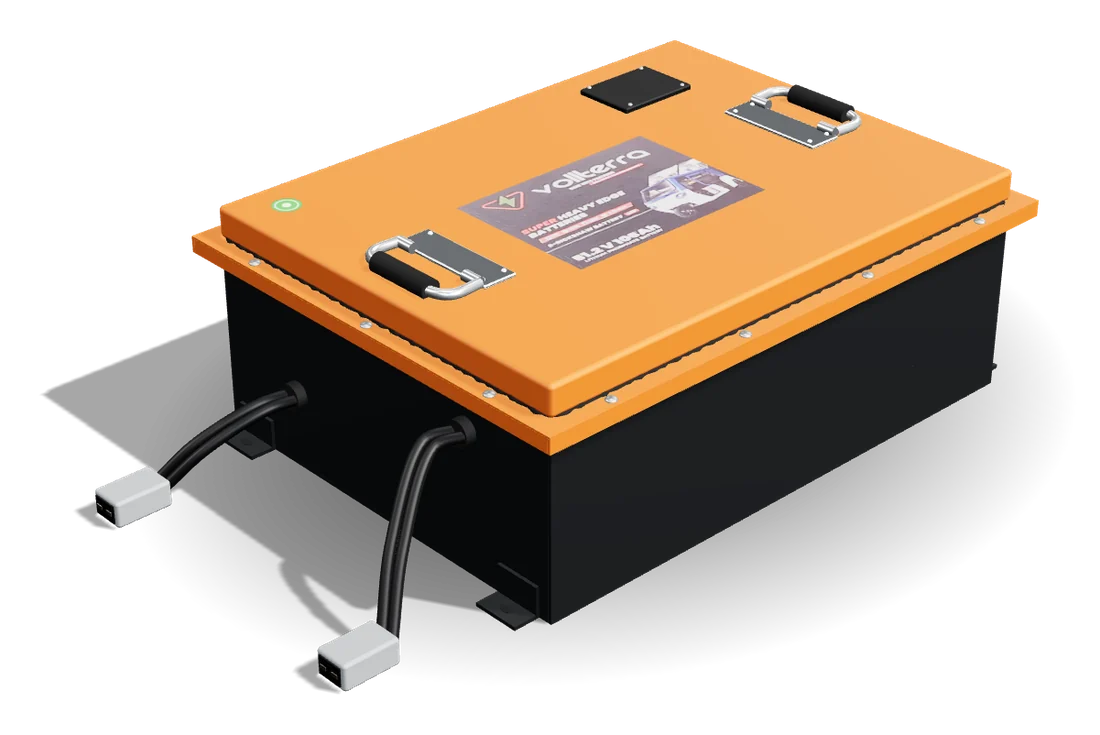
Over three years, a LiFePO4 e-rickshaw battery usually costs less than lead-acid, even though it costs more on day one. A lead-acid set typically needs replacing every 12 to 18 months and wastes more electricity on every charge. On our example numbers (80 km a day, 300 days a year), one lithium pack saves about ₹45,000 to ₹50,000 over three years.
The two numbers that decide it
The price tag is the number everyone compares, but it is not the one that decides your cost. Two other numbers matter more:
- How often you buy a battery. A lead-acid e-rickshaw set is usually replaced every year or so. Industry reporting puts the typical replacement at around ₹30,000 a year, and many drivers see their sets fade within 6 to 12 months of hard daily use. A LiFePO4 pack is built for thousands of cycles and is normally sold with a multi-year warranty. Ours carries 3 years.
- How much electricity is lost while charging. Lead-acid loses roughly 15 to 20% of the energy you put in as heat. LiFePO4 loses around 5%. Over 300 charges a year, that gap shows up on your electricity bill.
A worked example
These are example numbers, not a quote. Prices change, so plug in your own in the savings calculator.
| Over 3 years | Lead-acid set | LiFePO4 pack |
|---|---|---|
| Battery price | ₹34,000 per set | about ₹60,000 with charger |
| Sets bought | 3 (one a year) | 1 |
| Battery spend | ₹1,02,000 | about ₹60,000 |
| Energy per day | 4.4 kWh (80 km × 55 Wh/km) | 4.4 kWh |
| Charging efficiency | 80% | 95% |
| Electricity at ₹7/kWh, 300 days a year | about ₹34,650 | about ₹29,200 |
| Total | about ₹1,36,650 | about ₹89,200 |
The difference is about ₹47,000 in three years, before you count anything else.
What the table does not show
- Range on day 300. A lead-acid set loses range as it ages, so by the end of the year many drivers are cutting trips short. A LiFePO4 pack holds its range far longer.
- Weight. A lead-acid e-rickshaw set weighs well over 100 kg. A lithium pack of similar energy weighs a fraction of that, which means less load on the motor, tyres and brakes.
- Charging time and upkeep. Lead-acid needs long, full charges and water top-ups to stay healthy. LiFePO4 needs neither.
- Days off the road. Every battery swap is a day of lost fares. One pack for three years means fewer of those days.
When lead-acid can still make sense
If a vehicle runs only a few kilometres a day, or you plan to sell it within a year, the higher upfront price of lithium may not pay back in time. For anyone running a full shift every day, the maths almost always favours lithium.
Not sure which pack fits?
Send us your vehicle model or what you need to power. We reply with a fit check and today's price.
Questions people also ask
Is a lithium e-rickshaw battery worth the extra cost?
For a vehicle that runs a full shift most days, yes. You avoid buying a new lead-acid set every year, you lose less electricity while charging, and range stays steady. Use the savings calculator with your own prices to check.
How long does a lead-acid e-rickshaw battery last?
Usually about 6 to 18 months in daily e-rickshaw use, depending on quality, load, heat and charging habits. Warranties on lead-acid e-rickshaw batteries are commonly 6 to 15 months.
How much does a lithium e-rickshaw battery cost in India?
Prices depend on capacity and the price of lithium cells, which moved a lot in 2026. Message us on WhatsApp for today's price on the 51.2 V 105 Ah pack with charger.